

When it comes to furnishing your bar, kitchen island, or high-top dining area, bar stools play a crucial role in both functionality and aesthetics. Among the various materials available, ABS (Acrylonitrile Butadiene Styrene) bar stools have gained significant popularity. As an ABS bar stool supplier, I often get asked the question: "Are ABS bar stools resistant to stains?" In this blog post, I'll delve into the science behind ABS, its stain-resistant properties, and how you can maintain these stools to keep them looking pristine.
Understanding ABS Material
ABS is a common thermoplastic polymer known for its strength, durability, and versatility. It is a terpolymer made by polymerizing styrene and acrylonitrile in the presence of polybutadiene. The combination of these three monomers gives ABS unique properties that make it suitable for a wide range of applications, from automotive parts to consumer goods like bar stools.
The structure of ABS consists of a continuous phase of styrene - acrylonitrile copolymer and a dispersed phase of polybutadiene rubber particles. This structure provides ABS with excellent impact resistance, toughness, and a relatively smooth surface finish.
Stain - Resistant Mechanisms of ABS Bar Stools
One of the key factors contributing to the stain resistance of ABS bar stools is their smooth surface. The smoothness of the ABS material makes it difficult for stains to penetrate the surface and adhere to the material. Unlike porous materials such as wood or some types of fabric, ABS does not have microscopic pores where liquids and particles can get trapped.
When a spill occurs on an ABS bar stool, the liquid tends to bead up on the surface rather than being absorbed. This beading effect is due to the hydrophobic nature of ABS, which means it repels water and many other liquids. As long as the spill is cleaned up promptly, there is a high chance that no stain will form.
In addition, ABS is chemically resistant to many common substances found in a home or bar environment. For example, it can withstand mild acids and alkalis, which are often present in food and drinks. This chemical resistance further enhances its stain - resistant properties, as it prevents chemical reactions between the ABS surface and the spilled substances that could lead to discoloration.
Real - World Performance
In real - world settings, ABS bar stools have proven to be quite resistant to stains. In a busy bar environment, where spills of alcohol, soda, and food are common, ABS stools can maintain their appearance with relatively easy cleaning. Similarly, in a home kitchen or dining area, they can withstand spills from coffee, juice, and various food items.
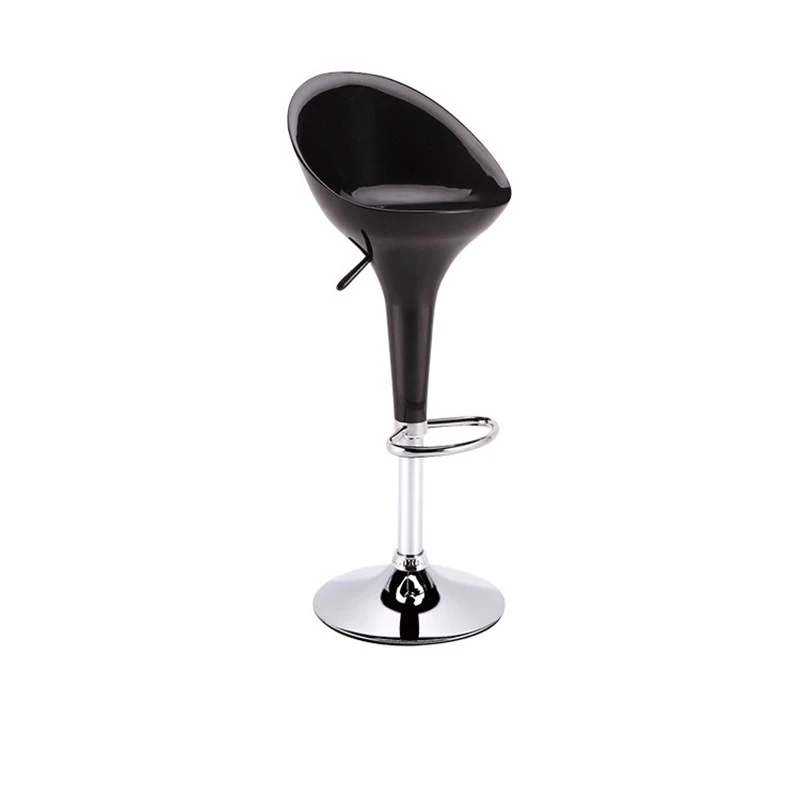
Take, for example, a bar that has installed Swivel ABS Bar Stool. These stools are constantly exposed to a variety of beverages and snacks. Despite the high volume of use, the ABS material has held up well, and stains can be easily wiped off with a mild cleaning solution.

Factors Affecting Stain Resistance
While ABS bar stools are generally stain - resistant, there are several factors that can affect their performance.
Type of Stain
Some substances are more likely to cause stains on ABS than others. For example, highly pigmented substances like red wine or curry can leave a mark if they are not cleaned up immediately. These substances contain dyes or pigments that can adhere to the surface and may require more intensive cleaning to remove.
Contact Time
The longer a spill remains on the ABS surface, the higher the chance of staining. Over time, the liquid may begin to seep into microscopic scratches or imperfections on the surface, making it more difficult to remove. Therefore, it is essential to clean up spills as soon as possible.
Surface Condition
The condition of the ABS surface can also impact its stain resistance. If the surface is scratched or damaged, it can provide more areas for stains to adhere to. Regular maintenance to keep the surface smooth and free of scratches is crucial for maintaining stain resistance.
Maintaining Stain Resistance
To ensure that your ABS bar stools remain stain - resistant, here are some maintenance tips:
Prompt Cleaning
As mentioned earlier, clean up spills immediately. Use a soft cloth or paper towel to blot the spill, then gently wipe the area with a mild soap and water solution. Avoid using abrasive cleaners or scrubbers, as they can scratch the surface.
Regular Cleaning
Perform regular cleaning of the bar stools to remove any dirt or grime that may accumulate over time. A simple wipe - down with a damp cloth and a mild cleaning solution can help keep the surface in good condition.
Protecting the Surface
Consider using a protective coating on the ABS bar stools. There are various products available on the market that can provide an additional layer of protection against stains and scratches. However, make sure to choose a product that is compatible with ABS material.
Comparing with Other Materials
When comparing ABS bar stools with other materials in terms of stain resistance, ABS has some clear advantages.
Wood
Wooden bar stools are prone to staining, especially if they are not properly sealed. Wood is a porous material, and liquids can easily penetrate the surface, causing discoloration and warping. In addition, wood requires regular maintenance, such as sanding and refinishing, to maintain its appearance.
Fabric
Fabric bar stools are comfortable but can be a nightmare when it comes to stains. Spills can quickly soak into the fabric, and removing stains can be a challenging and time - consuming process. Some fabrics may also be prone to fading over time.
Metal
While metal bar stools are generally durable, they can still be susceptible to staining, especially if they are exposed to moisture or certain chemicals. Rust can form on metal surfaces, which not only looks unsightly but can also damage the stool over time.
In contrast, ABS bar stools offer a good balance between stain resistance, durability, and affordability.
Our Product Range
As a supplier of ABS bar stools, we offer a wide range of products to meet different customer needs. Our Swivel ABS Bar Stool provides both functionality and style. The swivel feature allows for easy movement, and the ABS material ensures long - lasting performance. We also offer ABS Counter Stool, which is perfect for kitchen islands or counters. These stools are designed with comfort and durability in mind, and their stain - resistant properties make them a practical choice for any environment.
Conclusion
In summary, ABS bar stools are generally resistant to stains due to their smooth surface, hydrophobic nature, and chemical resistance. However, factors such as the type of stain, contact time, and surface condition can affect their stain - resistant performance. By following proper maintenance tips, you can ensure that your ABS bar stools remain in good condition and free of stains for a long time.
If you are in the market for high - quality, stain - resistant bar stools, we invite you to explore our product range. We are committed to providing our customers with the best products and services. If you have any questions or would like to discuss your specific requirements for purchasing ABS bar stools, please feel free to contact us for further discussions and negotiations.
References
- "Engineering Plastics Handbook" by Donald V. Rosato, Dominick V. Rosato, and John D. Kernan
- "Polymeric Materials: Structure, Properties, and Applications" by S. Fakirov


