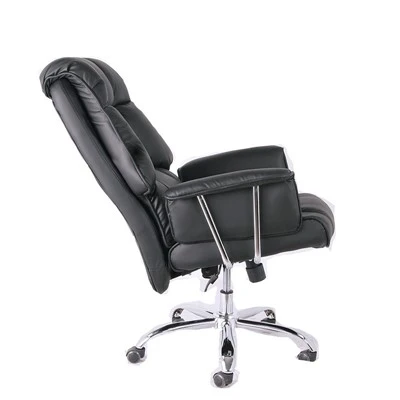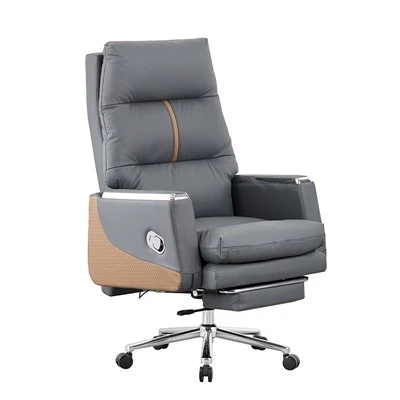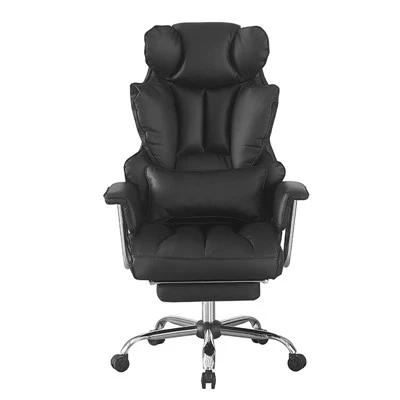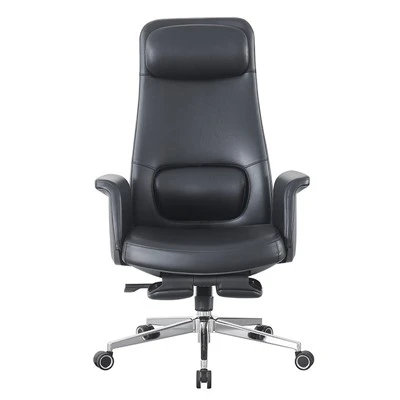


Choosing the right office chair is less about aesthetics and more about how well it supports the people who sit in it every day. As a supplier, we often see buyers focus on looks - only to deal with discomfort, constant readjustment, and premature failure a few months later. Below are the five factors that actually determine whether a chair is worth its price.
1. Match the Chair Type to Usage Intensity: Light-Duty vs. Heavy-Duty
The customer's usage scenario dictates the required durability and comfort level. There is no "one chair fits all" - match the specification to the workload:
| Light-Duty | Heavy-Duty | |
|---|---|---|
| Usage pattern | Occasional / short sessions | 6–8+ hours, every day |
| Design | Simpler frame, basic functions | Advanced ergonomics, reinforced structure |
| Best for | Home offices, meeting rooms, guest seating | Corporate desks, call centers, 24/7 operations |
| Key spec | Standard tilt and gas lift | High weight capacity, independently tested cylinder |
Heavy-duty chairs must effectively reduce fatigue from prolonged sitting and actively protect the user's health - that is where a higher upfront cost pays for itself.
2. Check the Gas Lift Cylinder: Quality and Load Capacity
The gas lift is the core component behind height adjustment, and its quality directly determines both safety and service life. Prioritize cylinders that have passed independent testing - SGS certification is a widely recognized benchmark - to ensure the load capacity and durability meet the standard. A stable, reliable gas lift not only makes height adjustment smooth and safe, it also reduces after-sales problems down the line.
3. Prioritize Adjustability: Backrest, Seat Depth, and Headrest
Users of different heights and body types need different support. An adjustable backrest tilt, seat depth adjustment, and a well-positioned headrest do more than improve comfort - they help maintain correct sitting posture and reduce physical fatigue. Suppliers should recommend feature-rich adjustable models based on the actual needs of each customer, rather than pushing a single standard configuration.

4. Match Materials and Colors to the Workspace
The overall style of the office environment should drive the visual choice. Simple, modern offices pair well with neutral, understated tones such as black, gray, or navy blue; creative studios and co-working spaces can opt for bold or customized colors. For materials, breathable mesh is ideal in warm environments, while genuine or PU leather conveys a more premium, professional look. A good supplier offers options aligned with the customer's interior style - not just one catalog color.
5. Look for Ergonomic Standard Certifications (EN)
As workplace health awareness grows, more buyers are asking about safety and ergonomic performance. Check whether the product has passed international ergonomic standards such as EN 1335. These certifications ensure the chair performs at an industry-leading level in support, durability, and environmental compliance - they are both a quality guarantee and the strongest proof a supplier can offer to earn customer trust.

Frequently Asked Questions
What is the difference between light-duty and heavy-duty office chairs? Light-duty chairs suit occasional or short-term use with basic functions; heavy-duty chairs are built with reinforced frames and advanced ergonomics for 6–8+ hours of daily use.
Why is the gas lift cylinder so important? It controls height adjustment and carries the user's load. A certified cylinder improves safety and lifespan while reducing warranty claims.
What certifications should an ergonomic office chair have? Look for BIFMA X5.1 or EN 1335 compliance, plus independent testing (e.g., SGS) on the gas lift cylinder.
Mesh or leather - which should I choose? Mesh is more breathable for warm environments; genuine or PU leather offers a more premium aesthetic. Choose based on climate and interior style.
Looking for a dependable swivel office chair supplier? We manufacture certified ergonomic chairs for corporate, home, and high-traffic environments.