

Hidden Risks of Low-Cost Office Chairs
A lot of wholesalers get pulled toward super low prices when hunting for suppliers. These cheap office chairs look great at first - better margins, quick shipments. Still, there are hidden issues you can hardly avoid.
New buyers often shop by price when they're new to sourcing. It's easy to fall into the trap: thinking cheaper automatically means a better deal, while skipping real quality checks. Those budget chairs carry lots of risks. They bring wave after wave of after-sales work, eat away your profit, and many times you end up losing money overall.

If a product is extremely cheap, there is usually a reason. Good quality raw materials simply cost more. Many low-priced chairs look just like regular ones from the outside, but makers cut corners on nearly every part.
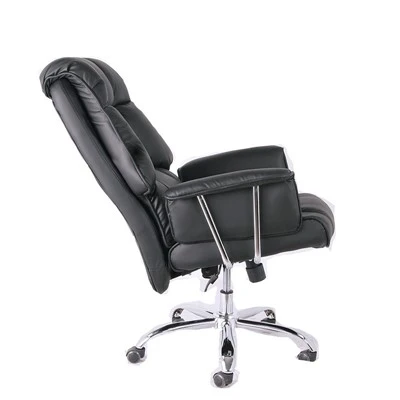
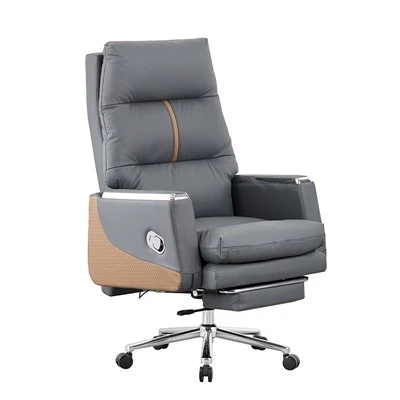
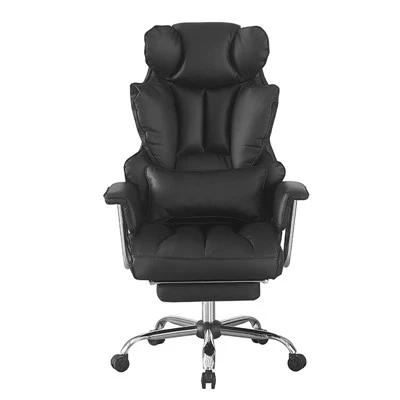
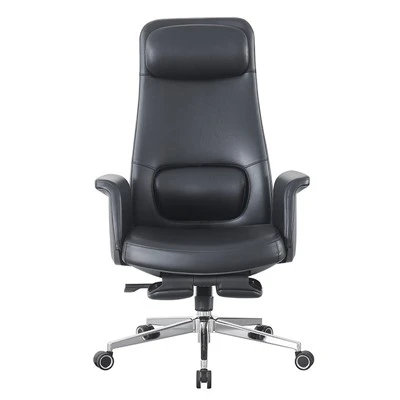
Take PU leather chairs for example. Some factories use cheap PU that cracks and peels after customers use it for a while, shortening the chair's service life. For seat cushions, thin or low-grade foam is a common trick. After long hours of sitting, the cushion sinks and won't spring back. It feels uncomfortable and leaves end users unhappy.
Gas lifts are another big risk. Some suppliers sell poor-grade gas lifts while passing them off as reliable ones. Before long, the height adjustment stops working, and complaints start rolling in.
Mesh chairs run into similar trouble. Cheap mesh fabric stretches and sags over time. It looks messy and is no longer comfortable to sit on. Armrests, tilt trays and other small parts can also fail easily.
Besides faulty parts, many low-cost suppliers struggle with batch consistency. Quality can shift a lot from one production run to the next. All these issues create nonstop after-sales trouble. You lose profit, and your reputation with buyers takes a hit.

How to Choose a Good Supplier
That said, not every low-priced office chair is bad. Before locking in a big bulk order, ask suppliers for clear specs: what class the gas lift is, how thick the seat foam is, and other key details.
Always order samples first. Test every function carefully. Once you're happy with the quality, you can place larger orders and build a win-win working relationship. These are just practical tips I learned from my own experience.